

Venogram Procedure in Northwest Indiana & Chicago
Advanced venography for diagnosing vein compression and circulation disorders in Munster, Northwest Indiana, and the greater Chicagoland area.
Advanced Venography in Munster & the Chicago Metro Area
Many vascular conditions cannot be fully diagnosed with ultrasound alone.
A venogram is an advanced imaging procedure that allows Dr. Dominic J. Tolitano to evaluate blood flow within the veins and identify conditions that may be causing chronic leg swelling, pelvic pain, circulation problems, deep vein thrombosis (DVT), or venous insufficiency.
Why a venogram may be recommended
Many patients come to Illiana Vascular Center after months or years of searching for answers.
While ultrasounds and other imaging tests can provide valuable information, they may not always reveal deeper venous abnormalities affecting circulation.
More Detailed Than Traditional Imaging
Helps Identify Hidden Vein Compression
Guides Treatment Planning
Supports Faster Answers
What is a venogram?
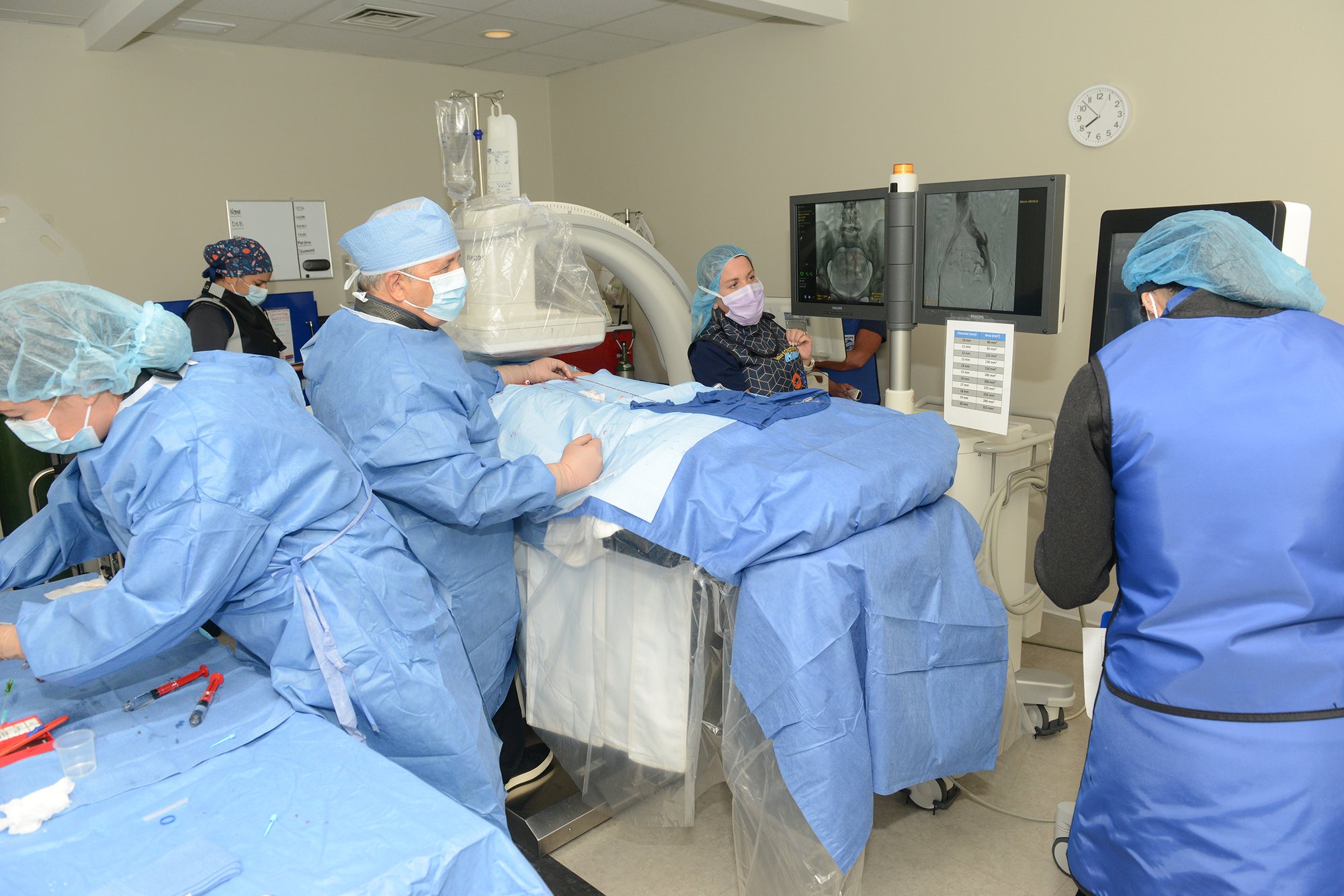
A venogram is a minimally invasive imaging procedure used to evaluate the veins and blood flow within the vascular system. During the procedure, a small catheter is inserted into a vein, and contrast dye is injected while specialized X-ray imaging captures detailed pictures of blood flow.
A venogram often provides information that cannot be obtained through physical examination or ultrasound alone.
What a Venogram Measures
- Vein narrowing
- Venous obstruction
- Blood flow abnormalities
- Iliac vein compression
What It Can Uncover
- Collateral vein formation
- Deep venous disease
- Chronic venous insufficiency
- Hidden vein compression
Conditions commonly diagnosed with venography
Venograms are frequently used to evaluate patients experiencing symptoms such as swelling, pain, or unexplained circulation problems.
May-Thurner Syndrome
Pelvic Congestion Syndrome
Deep Vein Thrombosis (DVT)
Chronic Venous Insufficiency
Leg Pain & Swelling
Frequently asked questions about venograms
Most patients experience minimal discomfort. The procedure is performed through a small catheter, and local anesthesia is typically used at the access site.
Find the source of your symptoms
If you have been told your imaging studies are normal but continue to experience leg swelling, pelvic pain, or unexplained circulation problems, advanced venography may provide the answers you have been searching for.
Identifying the cause of your symptoms is the first step toward lasting relief.